.png)
.svg)

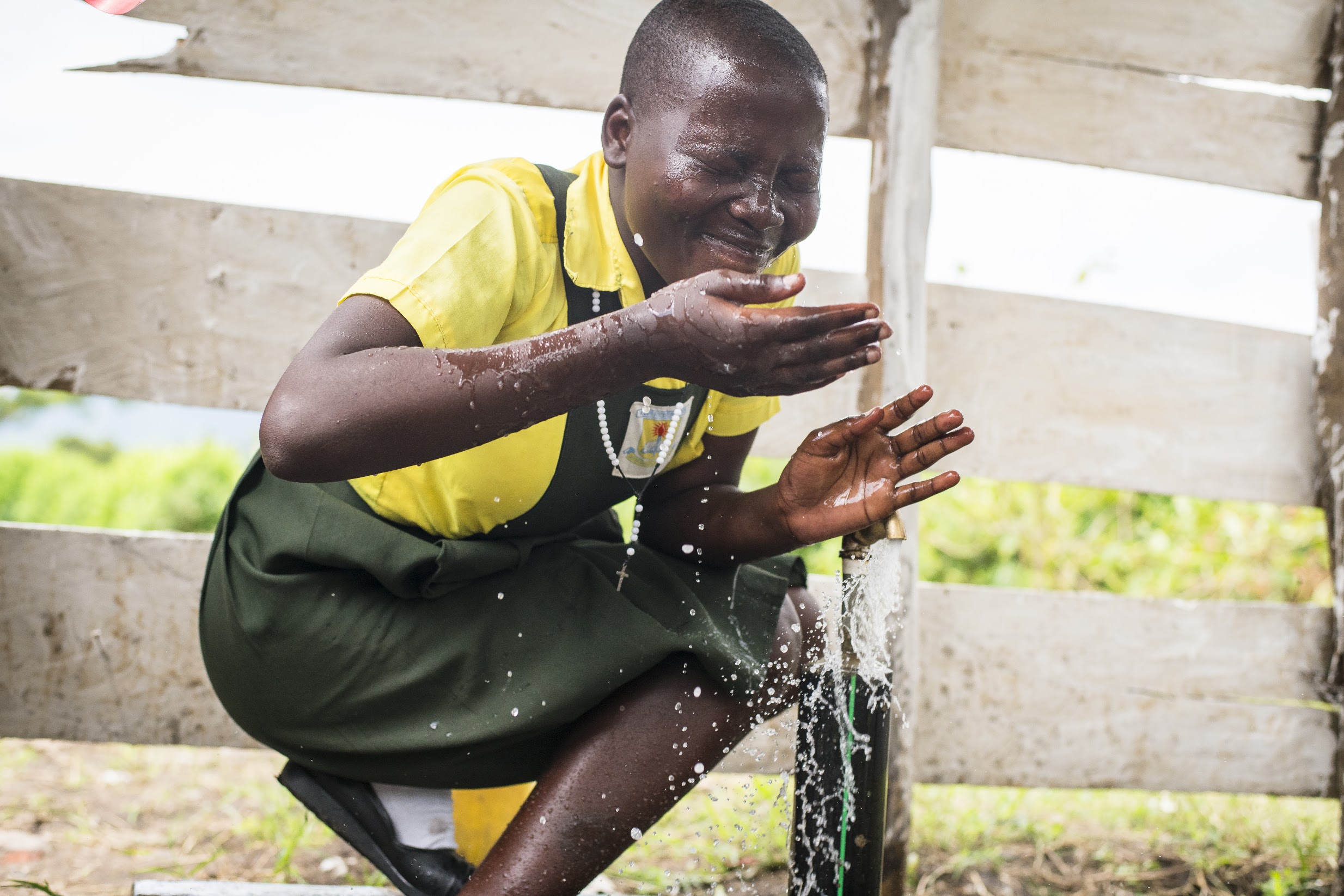
It's back-to-school season. For a lot of Canadian kids, that means new shoes and a fresh binder.
For a girl in Kasese, it can mean something else entirely: whether her school has clean water and working toilets.
We've seen what happens when those things are missing. At one school, poor sanitation nearly forced the doors closed for good. Headteacher Bukazi told our team plainly: the new toilets are the only reason students are still in class. Once clean water and working latrines arrived, attendance at that school climbed by over 24%.
Handwashing tells the same story. A simple tap-and-mirror combo outside the toilets — kids like seeing their own faces — pushed handwashing rates from 0.8% to 84% at one project site. The Ugandan government liked it enough to showcase it nationally on World Water Day.
That's the pattern. Water infrastructure isn't separate from education. It's a prerequisite for it.
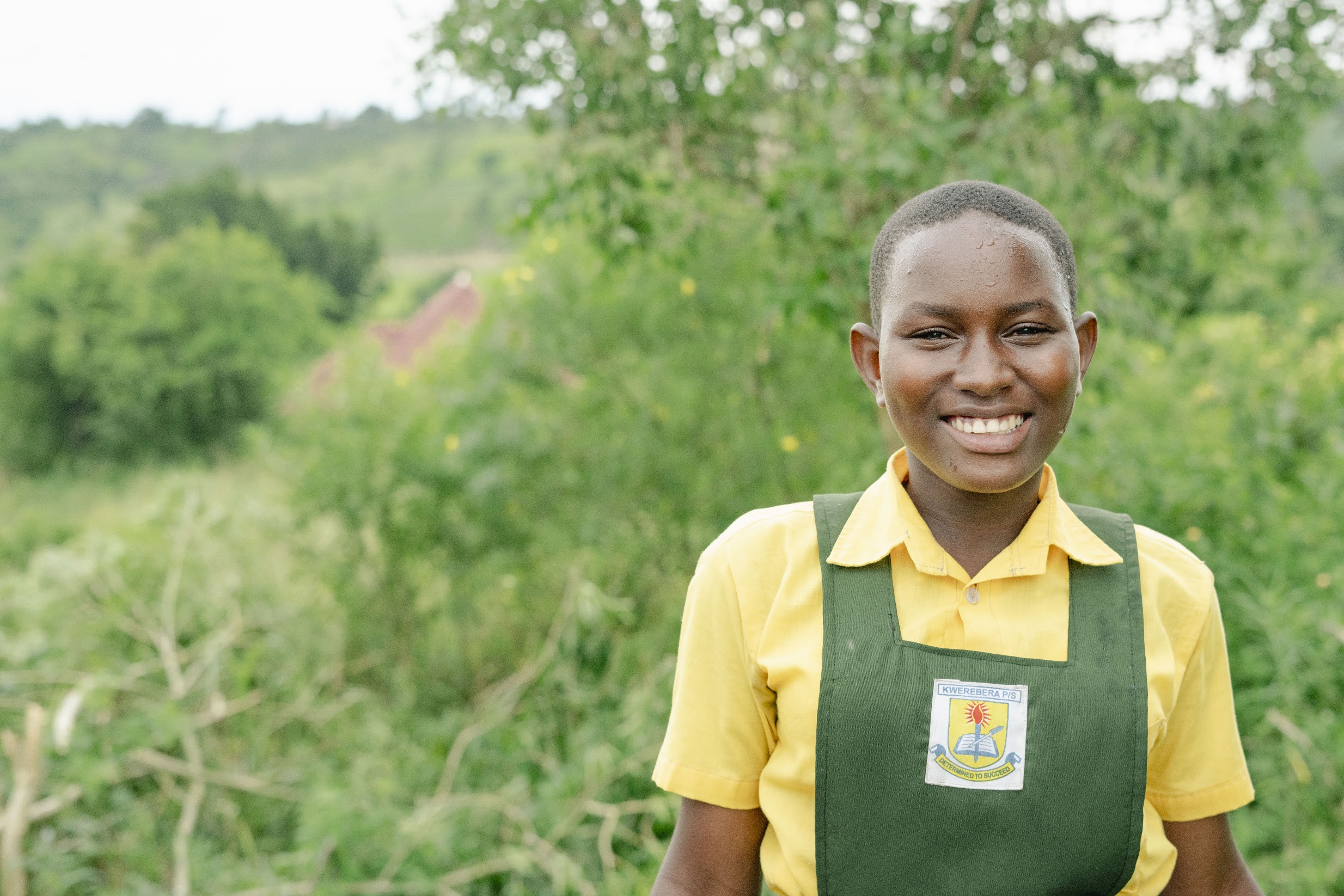
This season, that same groundwork is happening in Kyentama.
Meanwhile, the systems already in the ground are being kept alive.
Water infrastructure only keeps girls in school if it keeps working, years after the ribbon-cutting. That's what our Kasese WASH Project is doing right now:
A tap that breaks down in year three sends a girl right back to the borehole, the swamp, or the two-hour walk she used to make before school. Maintenance isn't the unglamorous part of the story — it's the part that decides whether the first part sticks.
The pattern repeats outside the classroom, too.
In Kasese District, nutrition gardens are following the same trajectory as school WASH systems: 4 of 6 gardens are now flourishing, giving families more control over what's on the plate. And 99 people — 49 men, 50 women — completed financial literacy training across 48 Village Savings and Loan Association groups, opening the door to loans and formal savings.
A household with steady food and a bit of financial footing can afford to keep a daughter in school instead of pulling her out.
Every September, the same equation plays out in communities across Kasese: does this family have what it needs to send their daughter back through the school gate, or not? Clean water and a working toilet answer more of that question than almost anything else we build.
Donate to Keep Kasese in Class and help make sure the next school bell rings for every girl in Uganda.


