.png)
.svg)

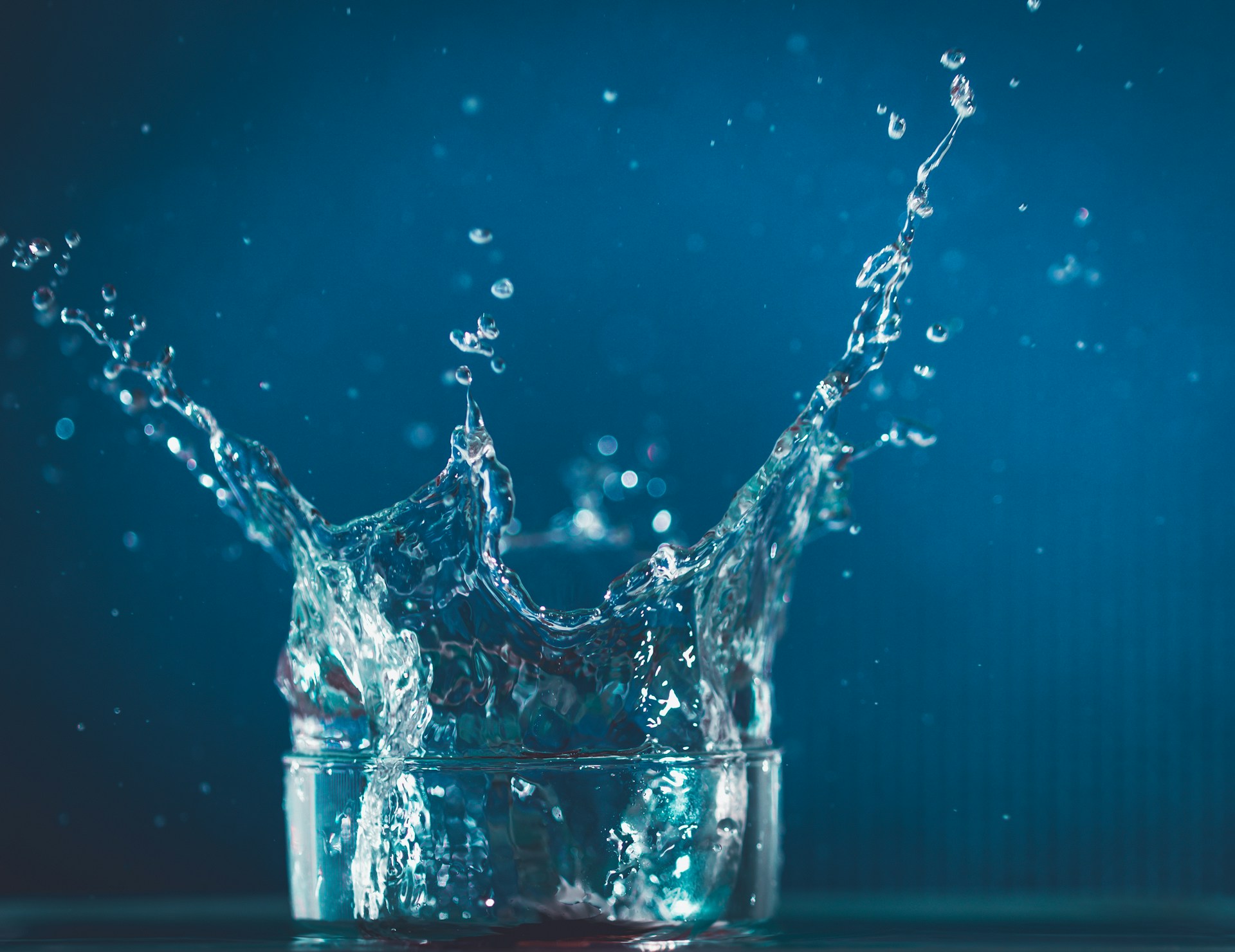
The term was coined in 2002 by Professor Arjen Hoekstra at the University of Twente. The idea is simple: the water you can see — the litre in your bottle, the splash in your coffee cup, the rinse in your sink — is only a tiny fraction of the water you actually use.
The rest is hidden in the things you buy.
It's the water used to grow, process, and ship the food you eat. The water used to cultivate the cotton in your t-shirt. The water used to mine, manufacture, and assemble the phone in your pocket.
That hidden water is "virtual water." And it's everywhere.
Here's the volume of water needed for some of your daily essentials according to research from the Water Footprint Network, the World Wildlife Fund, and Friends of the Earth:
A cup of coffee: about 140 litres (Chapagain & Hoekstra, 2007) The water needed to grow the coffee plant, harvest the beans, process them, and transport them around the world. Most of it goes into farming on tropical hillsides.
A cotton t-shirt: 2,700 litres (WWF, via Water Footprint Network) Enough drinking water for one person for about two and a half years. Cotton is one of the thirstiest crops on the planet, and roughly 60% of a t-shirt's water footprint comes from farming the fibre alone.
A pair of jeans: around 8,000 litres (Water Footprint Network) Yes, really. Cotton plus dyeing plus finishing. Some estimates go as high as 10,000 litres per pair.
A beef burger (150g): about 2,350 litres (Mekonnen & Hoekstra, 2012) Beef has one of the largest water footprints of any food, mostly because of the feed and grazing the cattle require. A single kilogram of beef averages 15,400 litres of water globally.
A 100g chocolate bar: 1,700 litres (Water Footprint Network) Cocoa is water-intensive, and so is the dairy in milk chocolate.
A smartphone: about 12,760 litres (Friends of the Earth / Trucost, "Mind Your Step" 2015) Mining the raw materials, manufacturing the components, assembling the device, and treating the wastewater along the way. The device in your pocket might be the thirstiest thing you own.
Why virtual water matters
Virtual water is an invitation to see water differently.
When you trace the water hidden in everyday items, something becomes clear: water is not just a drink. It is the foundation beneath almost everything a functioning day requires. The food on your table, the clothes in your wardrobe, the devices that connect you to the world. Water made each of them, quietly and without recognition.
That same truth holds at the household level, in kitchens and clinics and classrooms. Water makes things work. Where it is present and reliable, life organizes itself around possibility. Where it is absent or unsafe, life organizes itself around finding it.
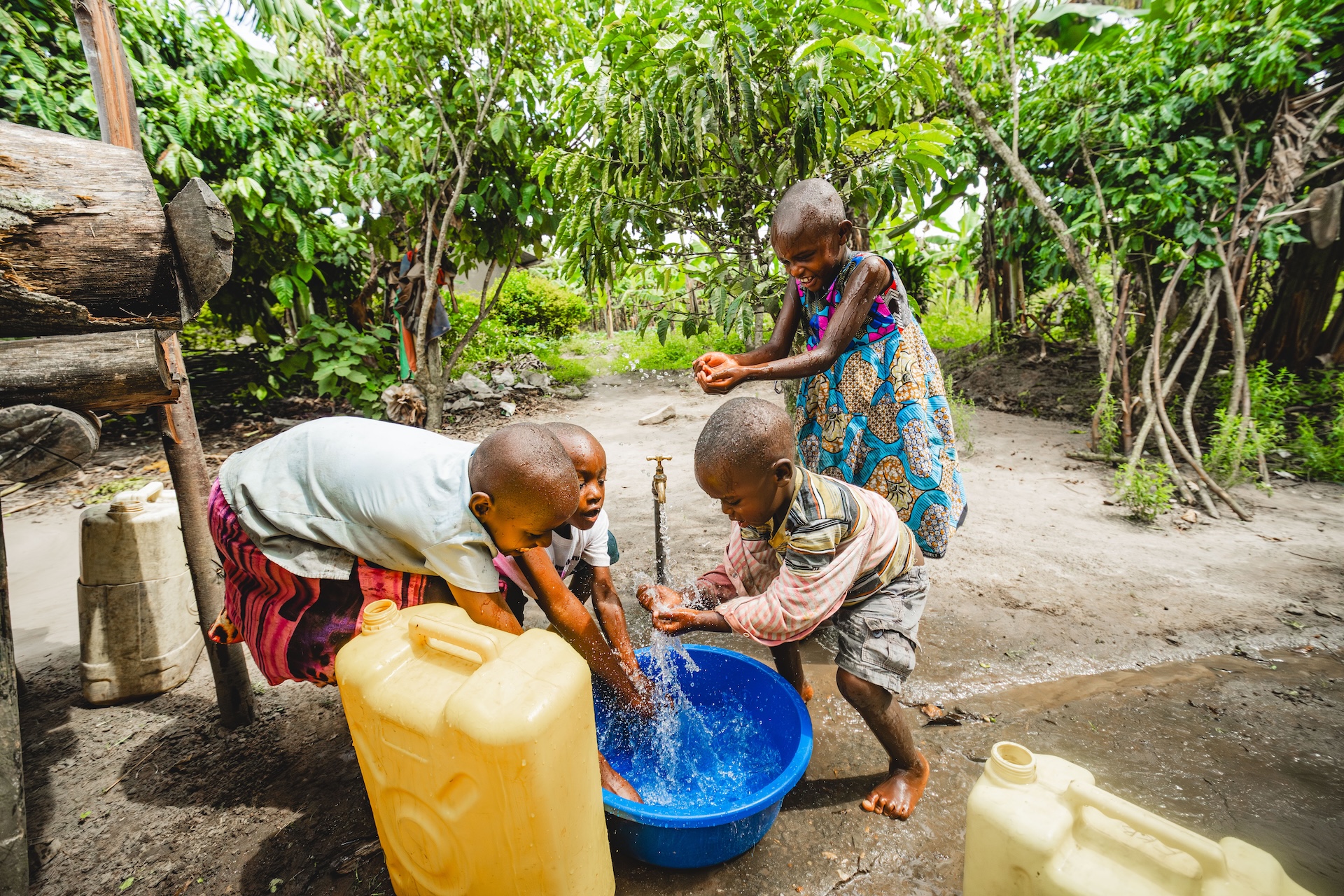
For the average Ugandan household about 53 litres of water is needed per day, according to Uganda's Bureau of Statistics.
That's the entire household. Drinking, cooking, washing, bathing, cleaning. One full day.
For a mother in that household, water is not the background. It is the first calculation in the morning and the last one at night. Three hours of walking. Heavy containers. Children who cannot be in school because they are needed on the route.
When clean water arrives from a tap, the shape of a day changes completely. Children go to school. Mothers start small businesses with the hours they get back. Clinicians wash their hands between patients. A community that once spent its energy finding water can spend it on something else entirely.
Water is not just hydration. It is time. It is dignity. It is the quiet infrastructure beneath a productive life, wherever that life is lived.
For more than 40 years, we've been working alongside rural communities in Uganda to build clean water systems that last. Last year alone, a clean water system was completed for more than 18,000 people, including 9 schools and 3 healthcare clinics (Acts for Water field report, 2025).
Every tap we install, every spring we protect, every household we reach is one more family who no longer has to choose between safe water and a productive day.
Your support makes that possible.
Stand with them — donate today.


