.png)
.svg)

.jpg)
How Acts for Water Is Multiplying Impact Through New Partnerships in Northern Uganda
For more than 40 years, Acts for Water has brought clean, reliable water to rural communities in Southwestern Uganda. But in 2025, something remarkable happened: for the first time, we were invited beyond our long-standing region to help solve a growing water crisis hundreds of kilometers north.
It wasn’t a fundraising project.
It wasn’t part of our regular program work.
It was a consultancy, a sign of our expertise that is recognized nationally.
And it began with a simple truth: in rural Uganda, natural springs are lifelines, yet they’re among the most fragile water sources communities rely on.
In the Omoro District of Northern Uganda, thousands of families in Ongako Trading Centre, Agweng, and Agweng Bung Bar depend almost entirely on small natural springs for their daily water needs.
These springs serve everyone, schoolchildren on their morning walk, elderly households, young mothers carrying babies on their backs. But for years, these water sources were completely unprotected and exposed to contamination from livestock, open defecation, and nearby agriculture.
Without basic infrastructure - no taps, no drainage, no fencing, no footpaths - residents had no choice but to step directly into the springs. The result? Erosion, unsafe water, and a constant cycle of diarrhoea, typhoid, and dysentery.
These natural springs hold enormous promise … when preserved properly.
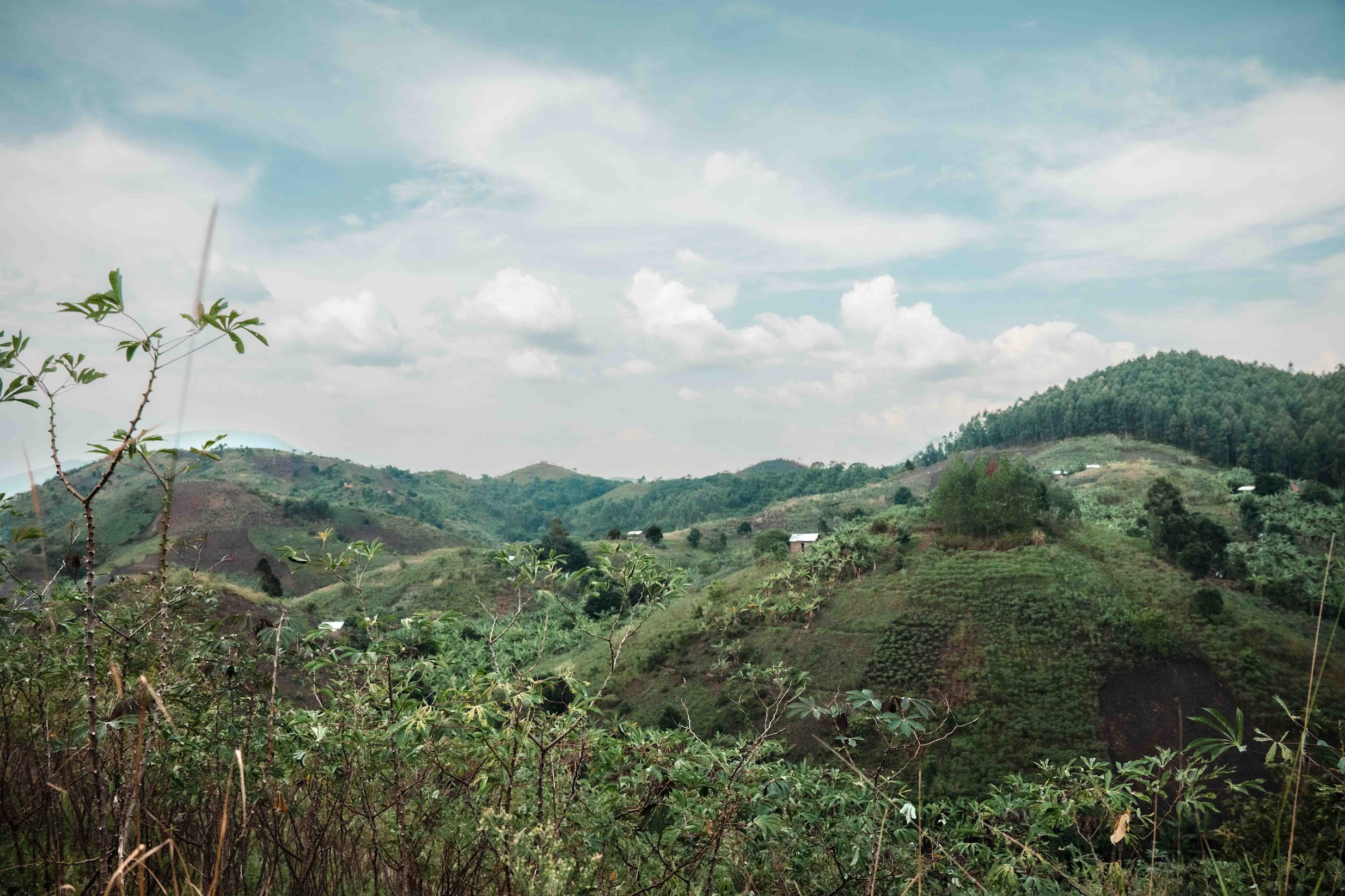
Spring preservation is the process of protecting a natural water source so it remains clean, reliable, and safe for drinking.
In rural communities, this typically involves:
When springs are preserved well, they provide decades of clean, gravity-fed water with zero electricity, low maintenance, and huge community impact.
After decades of building durable, gravity-flow systems in Southwestern Uganda, Acts for Water has become one of the most trusted water specialists in the country.
The client reached out with a clear request:
Help us protect our springs and help us teach our communities how to keep them safe.
ACTS Uganda led the assessment, design, and construction oversight for the spring preservation work. Our engineers and community development staff contributed:
This project allowed us to multiply our impact far beyond our traditional geography—helping new regions benefit from decades of learning.
Today, preserved springs in Kal and Tekulu Parishes are transforming everyday life:
What once caused fear now brings dignity. As one parent shared:
“Before, we feared the water because it made our children sick. Today we drink without fear… our community feels dignified.”
— Sam Ogwang, Project Beneficiary
Spring preservation isn’t just a technical intervention. It’s a public health solution, an economic boost, and a way of restoring dignity.
Step 1: Identify and excavate the spring
Step 2: Seal it with reinforced concrete
Step 3: Install a tap-style outlet
Step 4: Build drainage systems
Step 5: Fence and plant buffer vegetation
Step 6: Train the community in maintenance and sanitation
Step 7: Establish and support Water User Committees
This low-cost, high-impact method creates clean water sources that can last for generations.
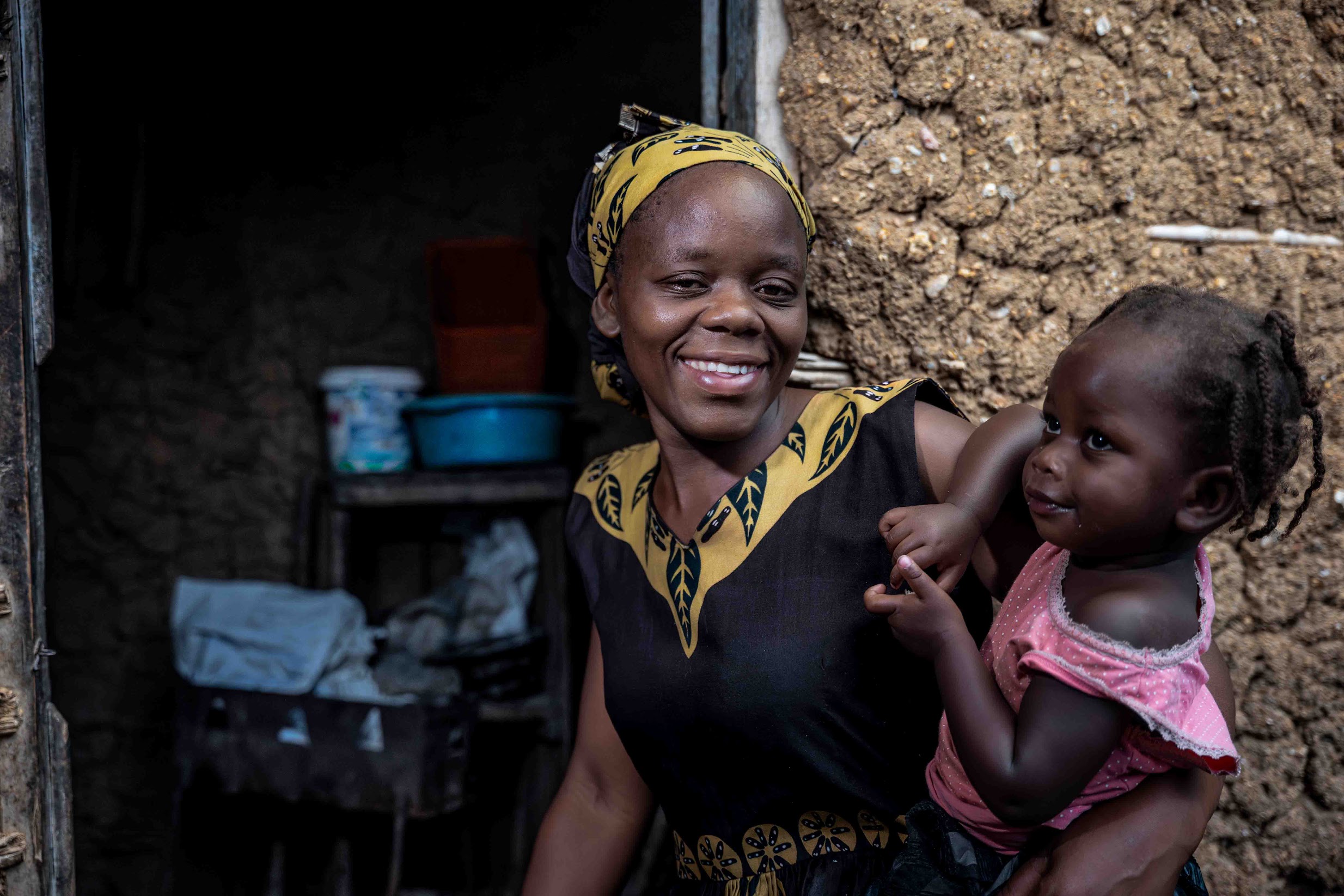
In total, more than 7,400 people now have reliable, safe water from springs once considered dangerous.
The project delivery highlights our expertise built over years in engineering, training and community trust that other organizations need. Acts for Water now offers consultancy services to bring that knowledge further.
Interested? Get in touch at richardm@acts.ca or tracey@acts.ca.
Spring preservation in Northern Uganda marks a new chapter for Acts for Water, one where our experience in the Southwest becomes a resource for the entire country.
It’s a story about water.
It’s a story about dignity.
It’s a story about how partnerships multiply impact.
And it’s only the beginning.


