.png)
.svg)

Planning a trip this summer? Canada's most spectacular destinations have something in common: water.
We photograph it, swim in it, and build vacations around it. What we rarely think about is what it took to get it there — clean, safe, flowing out of a tap or into a glass. Every lake, river, and reservoir on this list holds a quieter story behind the postcard view: decades of treatment plants, regulation, cleanup, and the communities who decided this resource was worth protecting.
It's a good reminder, heading into a season of travel, that water rarely stays clean by accident. Somewhere, someone built the infrastructure that made it safe.
Here are five places worth visiting — and what each one quietly teaches us about the resource we can't live without.
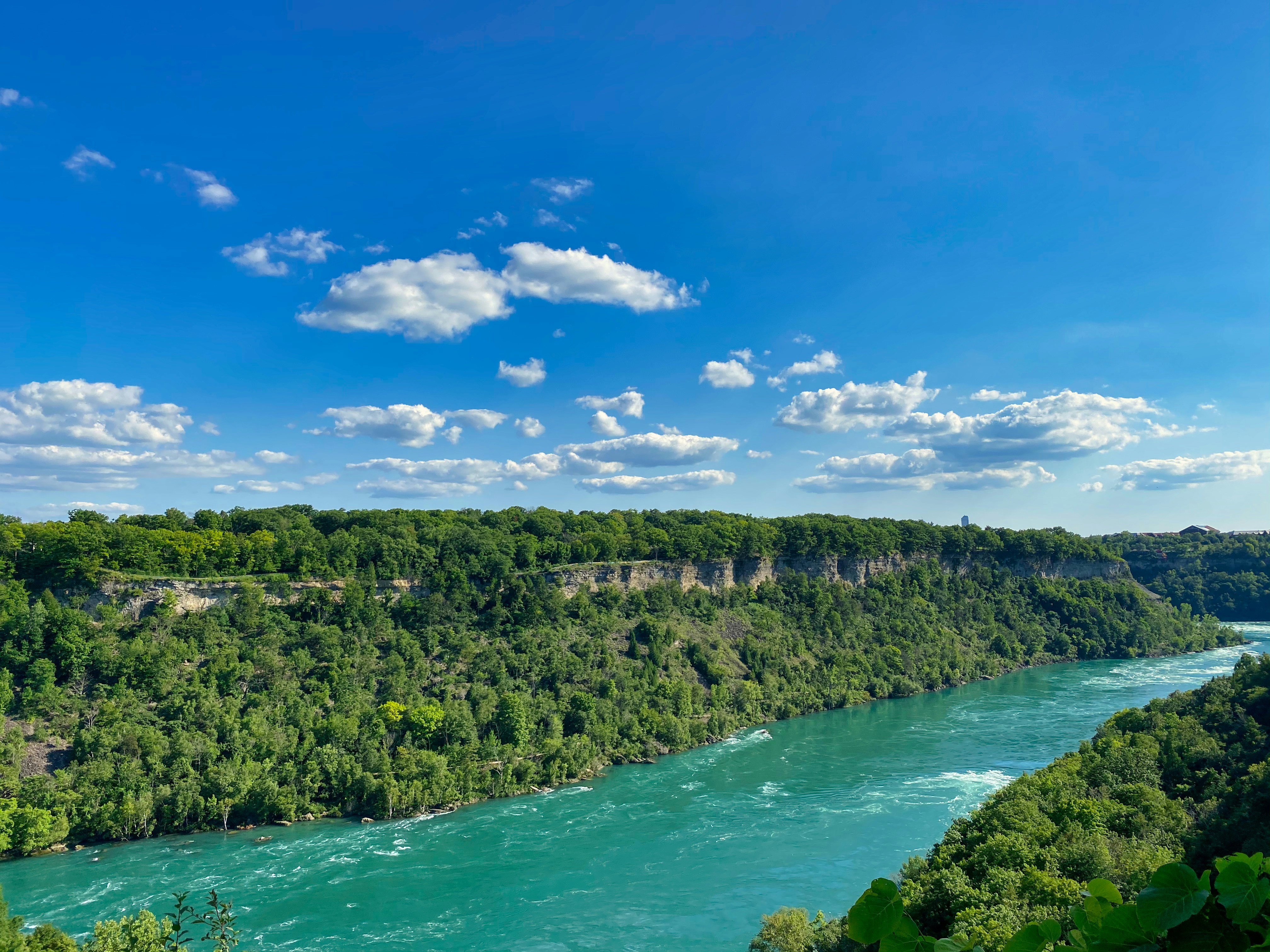
Few places hit as hard as the Niagara River at full flood — 5,700 cubic metres of water per second, draining four of the five Great Lakes, carrying roughly 20% of the world's fresh surface water toward Lake Ontario and the sea.
It's staggering. It's also a managed resource, not a pristine one.
For much of the 20th century, approximately 700 chemical plants, steel mills, oil refineries, and other industries discharged more than 250 million gallons of wastewater into the river each day.
Clean water for the 130,000 people in the Niagara region who drink from it didn't happen on its own. It took 35 years of bilateral cleanup work, shoreline restoration, contaminated sediment removal, and habitat rehabilitation, and the work is still ongoing.
Water this abundant still required generations of public investment to protect.
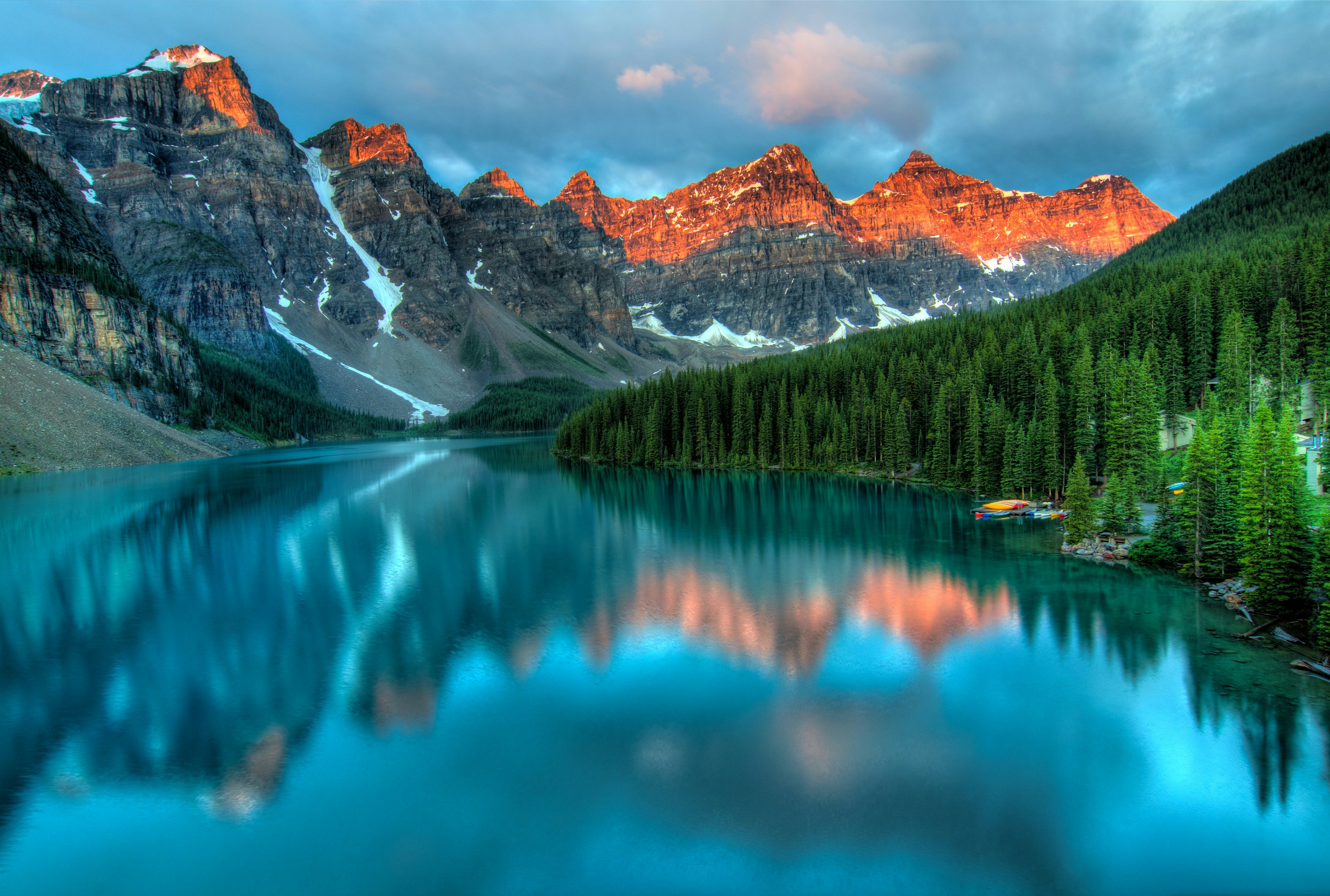
Tucked into the Valley of the Ten Peaks in Banff National Park, Moraine Lake sits at an elevation of 1,884 metres. Its famous turquoise colour comes from rock flour — fine mineral dust ground from the surrounding bedrock by glaciers, carried by meltwater and suspended in the water column where it refracts sunlight into something that doesn't look quite real.
Despite its iconic pale blue appearance, the water is not potable without filtration and treatment.
It looks like something out of a dream. It is not something you can drink straight from the lake.
Beauty and drinkability are not the same thing.
If Moraine Lake is Canada's most photographed water, Great Bear Lake may be its purest.
Located in the Northwest Territories with its northern waters within the Arctic Circle, it is considered among the most pristine freshwater bodies in the world; its remote position protecting both its water and its habitats from degradation by human activity. The water is so exceptionally pure it serves as a global standard for clean water research.
The Sahtúot'ı̨nę people have called its shores home for millennia. Their stewardship is a large part of why the lake remains what it is.
Great Bear Lake is what water looks like when it's left largely alone. Not every community in the world has that option.
Sometimes called the sixth Great Lake, Georgian Bay holds 30,000 islands and more than 2,000 kilometres of shoreline. Near Tobermory, the water runs so clear it reads as Caribbean. It's a summer destination for hundreds of thousands of Canadians — kayakers, sailors, divers, cottage-goers who've been making the same trip for generations.
That clarity isn't an accident. It's the result of environmental regulation, wastewater treatment, and communities choosing over decades to protect what they had. Clean water, even here, is maintained, not merely inherited.
The St. Lawrence drains the entire Great Lakes basin, flows 1,200 kilometres from Kingston to the Gulf, and hosts beluga whales in its estuary. One of the great rivers of the world.
For much of the 20th century, it was also heavily polluted — industrial runoff, untreated municipal sewage, chemical contamination. Recovery has taken 50 years of federal and provincial investment, international co-operation, and sustained political will. Today, beluga populations in the estuary are recovering. Swimming is possible in places where it wasn't a generation ago.
The work isn't finished. The river's health still requires ongoing attention.
Abundance, yes. But also this: in every case, clean water for human use requires something beyond nature alone — treatment infrastructure, regulation, cleanup, stewardship, political will across decades.
Clean drinking water doesn't manage itself.
In rural Uganda, where Acts for Water has been building gravity-fed water systems since 1993, the equation looks different, but the principle is the same. The mountain aquifers feeding systems like the Bujaga scheme in Rwampara District are pure. Unpolluted by industrialization, uncontaminated by agricultural runoff, they carry clean water naturally down from altitude. What those communities needed was not treatment.
They needed infrastructure.
Vincent Bagirana has chaired the Bujaga Water Management Committee for 30 years. Edrida Kamitooma, 74 years old, remembers the three-hour walk to a stream where the water turned red when you cooked it. Upesi Robinson, a health worker at Ndeija Health Centre III, has watched waterborne disease rates fall across the community he serves.
Next time you're standing at the edge of a Georgian Bay inlet, or watching the Niagara surge, or staring at a photo of Moraine Lake that doesn't look like it could be real — consider what it took to make your water safe.
And consider what it means, in communities like Bujaga, once the water was made safe for them.
All that was missing was the pipe.
Become a monthly Source Supporter at acts.ca/give-monthly
https://www.ebsco.com/research-starters/environmental-sciences/great-bear-lake
https://www.worldatlas.com/lakes/the-cleanest-lakes-in-canada.html


